
Wild Swimming Safety Basics for Cold Open Water
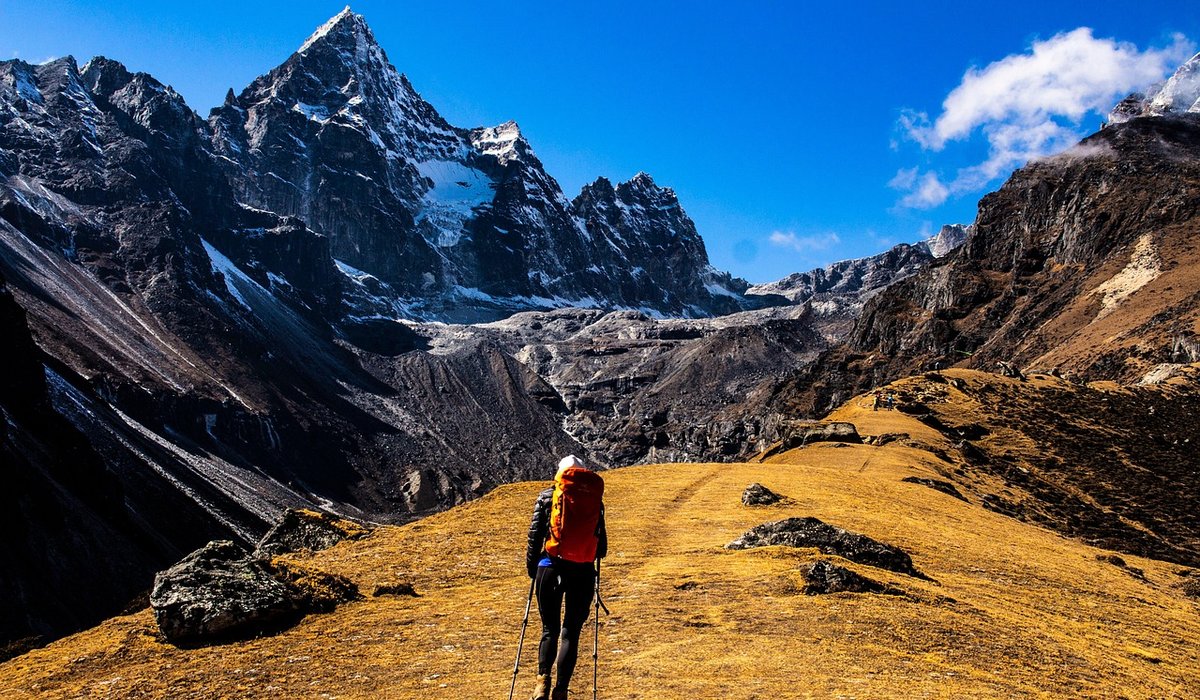
Pick a route that suits a first outing
The Peak District is a wonderful place to learn hillwalking, but it isn't a gentle training ground everywhere. The northern Dark Peak is rough, peaty and often misty, while the White Peak to the south offers limestone dales with gentler gradients and more shelter. For a first hill day, choose something with clear paths, obvious escape routes and a sensible amount of ascent.
Good options include the ridge from Mam Tor to Lose Hill above Castleton, a circuit of Edale finishing over Hollins Cross, or an out-and-back along Stanage Edge. All of these give you a proper hill day with real views, but they keep you close to valleys and villages if the weather turns. Save the Kinder Scout plateau, Bleaklow and the boggy traverse of the Great Ridge in poor visibility for when you have a few more miles in your legs.
Be honest about distance and climb. A ten-kilometre walk with 400 metres of ascent is a solid first hill day. Anything over fifteen kilometres with 800 metres of up will feel far harder than the numbers suggest, especially on peat and gritstone.
Write a route card before you leave
A route card sounds old-fashioned, but it is the single most useful thing you can prepare. It forces you to think the day through, and it gives whoever is waiting at home something concrete to work with.
Keep it to one side of paper and include:
- Start point and grid reference, plus the nearest village and a postcode for parking.
- Your planned route, listed leg by leg with grid references for each turning point, summit and junction.
- Timings. A rough guide is one hour for every five kilometres, plus thirty minutes for every 300 metres of ascent, then add extra for a slow group, photos and lunch.
- Escape routes. Note two or three points where you could drop off the hill early and walk back by road or valley path.
- Your return time and the time at which someone should raise the alarm if you have not called.
Mark the same information on a paper map with a pencil. Batteries fail, screens crack and wet fingers struggle with touchscreens, so a folded 1:25,000 map in a plastic case is still the most reliable tool you own.
Read the forecast properly
Check the mountain forecast the evening before and again on the morning. Look beyond the temperature: wind speed, cloud base, visibility and the timing of rain matter far more on a hill day.
On the Peak District moors, a forecast of 40 mph gusts on the tops is a genuine reason to change plans. A cloud base of 400 metres means you will be navigating in mist on most summits. Peat holds water for days, so a wet week makes everything underfoot slower and muddier than you expect.
Dress and pack for the worst hour of the day, not the best. Even in July, a windy summit can feel close to freezing once you stop moving.
Tell someone, and give them a plan
Before you set off, send a message with your route card details, your car registration and your expected finish time. Agree a clear rule: if you have not been in touch by a certain hour, they should call you, then your emergency contact, then the emergency services.
Carry a phone in a waterproof bag, fully charged, with a power bank. Save your emergency contact under ICE in your contacts. If something goes wrong, dial 999, ask for the police, and then ask for mountain rescue. Give them your grid reference, the nature of the problem and a description of what everyone is wearing.
Pack light, but pack the right things
You do not need much, but you do need the essentials. For a Peak District day walk, take:
- Waterproof jacket and trousers, even if the sky is blue.
- A spare warm layer, hat and gloves.
- Walking boots with decent ankle support and grip.
- Map, compass and a headtorch with spare batteries.
- One and a half to two litres of water and enough food for the day, plus a little extra.
- A whistle, blister plasters, sun cream and a small first aid kit.
Weigh your bag before you go. Anything over about eight kilograms for a day walk is unnecessary, and every extra kilo slows you down on the climbs.
On the day: pace yourself and be willing to turn back
Start early. A 9am start gives you hours of daylight in reserve and keeps you off the busiest paths. Walk at a pace where you can still hold a conversation, and stop for a proper break every hour or so rather than pushing on until you are exhausted.
Practise your navigation as you go. Pause at junctions, take a bearing, note the features around you and check your position against the map. If the cloud comes down, that habit will be the difference between a confident walk out and a long, worrying afternoon.
And remember: turning back is a skill, not a failure. If the wind picks up, the mist thickens or someone in the group is struggling, a shorter day out is always the right call. The hill will still be there next weekend.
LEAVE A COMMENT