
Choosing a Campsite for a Quiet Weekend Under Canvas
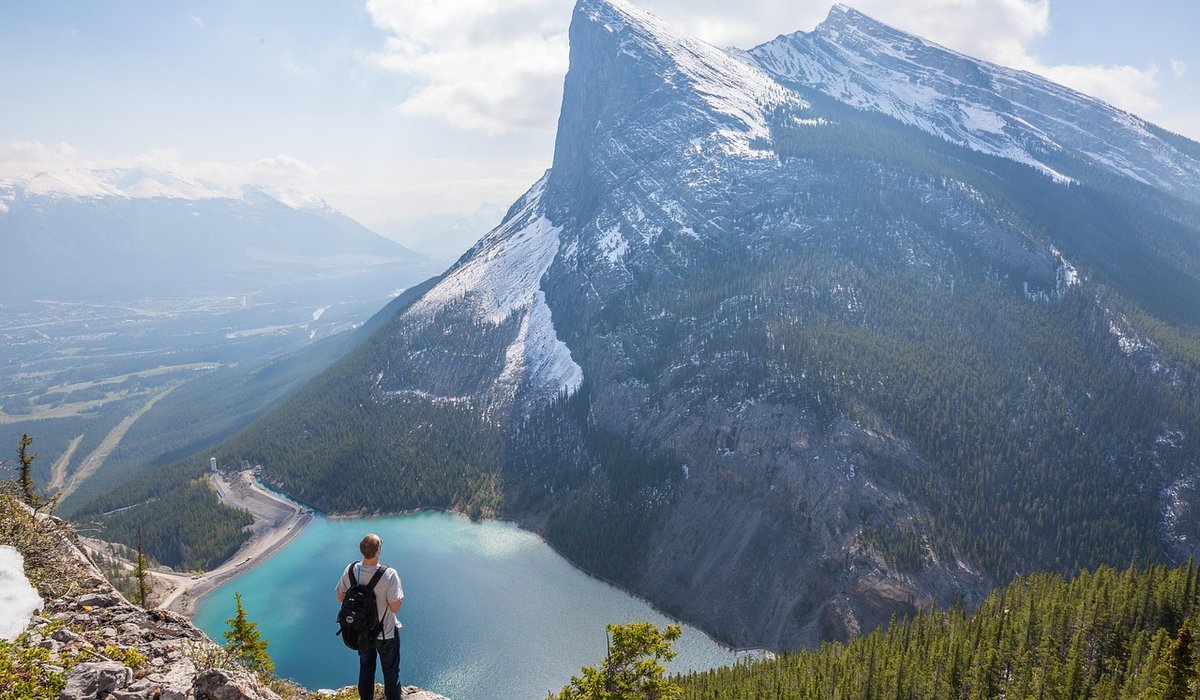
Start With the Layer System, Not a Single Magic Jacket
British weather rarely does what the forecast promises. You can leave a car park in warm sunshine, climb onto an exposed ridge into a stiff breeze, and be pulling on a hat within the hour. The answer is not one expensive wonder-garment but a simple system of layers you can add and remove as the day changes. Three layers do the work: a base layer next to your skin, a midlayer for warmth, and a waterproof shell on the outside. Each has one job. Get this right and everything else on this list becomes easier to carry and easier to use.
The golden rule is to start slightly cool. If you set off from the car park feeling toasty, you will be drenched in sweat within twenty minutes and chilly for the rest of the climb. Adjust before you overheat, not after.
Base Layers: Keep the Sweat Moving Away
Your base layer exists to shift moisture off your skin so you do not chill the moment you stop moving. Cotton is the wrong choice — it soaks up sweat, holds it against you, and a damp cotton T-shirt on a windy summit is genuinely miserable. Choose merino wool or a synthetic fabric instead. Merino is comfortable, naturally odour-resistant and brilliant for multi-day trips; synthetics dry faster and cost less.
In summer, a short-sleeved base layer is usually enough on the climb, but pack a long-sleeved one for the top and for the walk back down. In spring and autumn, long sleeves are the sensible default. In winter, some walkers wear a light base layer and carry a spare, because a dry top at the halfway point feels like a small holiday. Two thin layers trap more warmth and give you finer control than one thick one.
Midlayers: Warmth You Can Shed in Seconds
Your midlayer is the insulation you add when you stop for lunch or when the cloud drops and the wind picks up. A fleece is the classic choice — hard-wearing, cheap and forgiving when damp. A light synthetic insulated jacket packs smaller, weighs less and is warmer for its bulk, though it is less pleasant once soaked. A thin down jacket is the lightest option of all, but it is nearly useless if it gets wet, so it belongs in a dry bag inside your rucksack.
- Carry a midlayer even on a warm July day — summits and shaded valleys are cooler than the car park.
- Add a hat, gloves and a neck gaiter from October onwards; they weigh almost nothing and transform a cold lunch stop.
- Pack a spare warm layer for emergencies, kept dry and separate from the one you are wearing.
Waterproofs That Actually Keep You Dry
A showerproof jacket is not a waterproof jacket, and the difference shows up about forty minutes into steady Welsh drizzle. Look for taped seams, a hood you can adjust and cinch down over a hat, and a fabric that breathes so your own sweat can escape. Pit zips are worth having — they let you dump heat on a steep climb without removing the jacket.
Waterproof trousers are the most underrated item in British hillwalking. They weigh very little, take up almost no room, and turn a miserable boggy descent into something merely unpleasant. Pull them on before your trousers get wet, not after. Over time, breathable waterproofs lose their water-repellent finish on the outer face, so wash and re-proof them as the manufacturer advises — a tired jacket that wets out feels cold and clammy even when it is not leaking.
Beyond Clothing: What Belongs in the Rucksack
The kit that gets people off the hill safely is rarely glamorous. A head torch, a spare layer, water and food have rescued more walkers than any gadget. On a short summer walk you might get away with less, but the margin for error shrinks fast when a stile, a wrong turn or a turned ankle delays you by three hours.
- Water: around one to one and a half litres for a half-day walk, more in heat or on a big climb.
- Food: more than you think — sandwiches, oatcakes, nuts, something salty and something sweet.
- Torch: a head torch with fresh batteries, even in midsummer. Dusk arrives quickly under trees and cloud.
- Spare socks and blister plasters: wet feet plus a long descent equals a ruined day.
- Map, compass and whistle: a phone is useful but not a substitute; batteries die and signal vanishes.
- Emergency shelter: a lightweight bothy bag or bivvy bag gives you warmth and cover if someone is injured.
- Small first aid kit, sun cream and midge repellent, depending on the season and where you are heading.
Footwear matters as much as anything here. Supportive boots suit rocky, boggy ground and long days; lighter trail shoes are fine for dry lowland paths and summer hills. Whichever you choose, make sure they are broken in before a big walk.
Reading the Day and Adjusting as You Go
Kit only works if you use it well. Check a mountain-specific forecast the night before and again in the morning, paying attention to wind speed and the temperature at height rather than in the valley. Expect roughly one degree cooler for every hundred metres you climb, and remember that wind chill can make a still, mild day feel bitterly cold on an exposed ridge.
Set a turn-back time and stick to it. Tell someone your route and when you expect to be back. Eat and drink before you feel hungry or thirsty, and add a layer before you start shivering — catching the chill early is far easier than reversing it. Learn to glance at the sky and the cloud as you walk, and be willing to shorten the day when the weather turns. That judgement, more than any item of clothing, is what keeps British hillwalking enjoyable in every season.
LEAVE A COMMENT