
Family Friendly Circular Walks with Pubs Along the Route
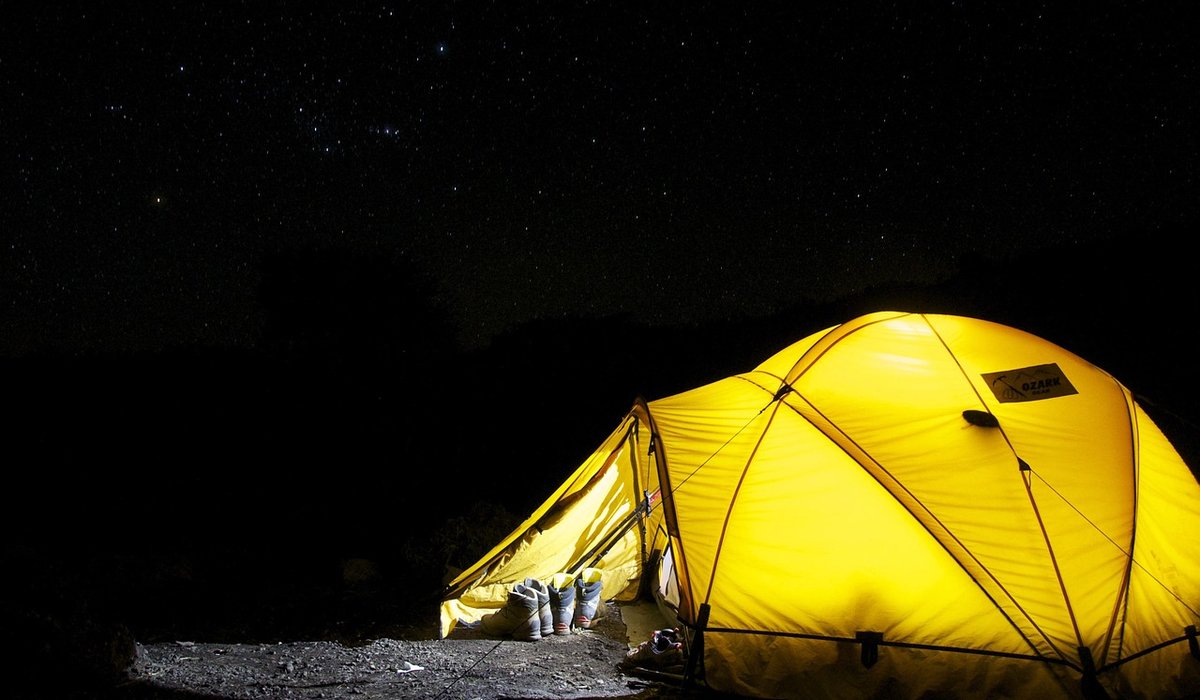
There is a particular kind of freedom in walking into a remote bothy for the night. The shelter is basic, often beautiful, and shared with whoever else has made the journey. But that freedom comes with a simple rule: everything you need, you carry. Every gram has to earn its place.
Start With the Big Three
Your rucksack, sleeping bag and sleeping mat are the heaviest items, so they deserve the most scrutiny. A 35–45 litre rucksack is ample for one or two nights. Look for a simple design with a comfortable harness, a lid pocket and not much else. External frame? No. Pockets everywhere? They add weight and encourage clutter. Try the pack on with weight inside before you buy it.
Your sleeping bag should be compact and rated for the season. A three-season down bag that packs to the size of a melon is ideal. If you run cold, add a silk liner rather than a heavier bag. For the mat, a closed-cell foam pad is bombproof and light, but a short inflatable mat saves space and offers better sleep. Whichever you choose, test it at home before you rely on it.
Clothing: Dry Is Non-Negotiable
A bothy is unheated. Even with a fire, the stone walls stay cold. So your clothing strategy is simple: walk in one set, sleep in another, and keep a third set dry for emergencies. That means spare socks, spare base layer, and a warm mid-layer like a fleece or synthetic jacket.
- Walking clothes: quick-drying trousers, a wicking base layer, and a lightweight windproof.
- Bothy clothes: dry leggings, a dry long-sleeved top, and thick socks. Store them in a dry bag and do not wear them on the walk in.
- Waterproofs: jacket and trousers, even in summer. Scottish weather changes fast.
- Insulation: a down or synthetic jacket for the evening. It doubles as a pillow.
Leave cotton at home. It soaks up sweat, dries slowly, and chills you when you stop. Merino wool or synthetics are your friends. A spare pair of gloves and a warm hat weigh almost nothing and make a huge difference.
Cooking and Food Without the Faff
You are not cooking a Sunday roast. A simple stove, a small pot with a lid, and a spork will do. Gas canisters are convenient but bulky; an alcohol stove is lighter but slower. Pick one and stick to it. A windshield made from foil saves fuel and frustration.
Food should be calorie-dense and require minimal cooking. Dehydrated meals are fine, but they are expensive and heavy on packaging. Instead, bring porridge oats, nuts, cheese, oatcakes, and a few squares of dark chocolate. A flask of hot soup for the walk in is a luxury that weighs little.
Water: most bothies have a stream or tap nearby, but not all. Check your map and guidebook. Carry a filter or purification tablets as backup. Never assume a water source is safe without treating it.
Gadgets and the Small Stuff
This is where packs get heavy. Ask yourself: will I use it more than once? If not, leave it. A headtorch is essential. A phone is useful for emergencies, but signal is often absent. A small power bank is worth its weight if you rely on your phone for navigation.
- Navigation: map, compass, and a GPS app on your phone. Know how to use them.
- Safety: first aid kit, blister plasters, a small repair kit for your mat and stove.
- Fire: a lighter and a candle. If you plan a fire, check local rules and never burn treated wood or rubbish.
- Light: headtorch plus a small backup torch. Candles are atmospheric but not a substitute.
- Comfort: earplugs, a small sit mat, and a hip flask if you fancy. Each adds grams, so choose carefully.
Leave the drone, the heavy camera, and the folding chair at home. You will not miss them.
Packing It Together and Final Checks
Now weigh everything. A comfortable target for a summer overnight is under 10 kilograms, including food and water. Pack heavy items close to your back and centred. Use dry bags to organise: one for sleeping, one for clothes, one for food. Keep your waterproofs and headtorch at the top.
Before you leave, tell someone your route and expected return time. Check the bothy etiquette: leave it cleaner than you found it, carry out all rubbish, and do not rely on a fire being possible. A bothy is a shared shelter, not a hotel.
Finally, walk with a light pack and a lighter conscience. The hills are kinder when you are not lugging unnecessary weight. So weigh every item, justify its place, and enjoy the simple pleasure of a night out under a bothy roof.
LEAVE A COMMENT